Comprehensive surgical management of primary and metastatic spine tumors with advanced reconstruction techniques. Expert resection, stabilization, and restoration of spinal function.
Spinal tumors are abnormal growths that occur in or around the spine. They can be primary (originating in the spine) or metastatic (spreading from cancer elsewhere in the body). Some tumors are benign, while others are malignant and require urgent surgical intervention.
Symptoms include back pain that worsens at night, progressive weakness or numbness in the legs, loss of bladder or bowel control, and difficulty walking. Early diagnosis and treatment are critical to prevent permanent spinal cord damage.
Treatment depends on tumor type, location, size, and whether it involves the spinal cord or nerve roots. Surgery aims to remove or debulk the tumor while preserving or restoring spinal function and stability.
Gold standard for detecting spinal cord tumors. Shows tumor location, extent, and relationship to neural structures with superior soft tissue contrast.
Excellent for showing bone detail and tumor involvement of vertebral body. CT helps guide surgical approach and reconstruction planning.
Real patient case demonstrating comprehensive surgical management of a lumbar spinal tumor with complete resection, vertebral reconstruction, and posterior stabilization using minimally invasive techniques.
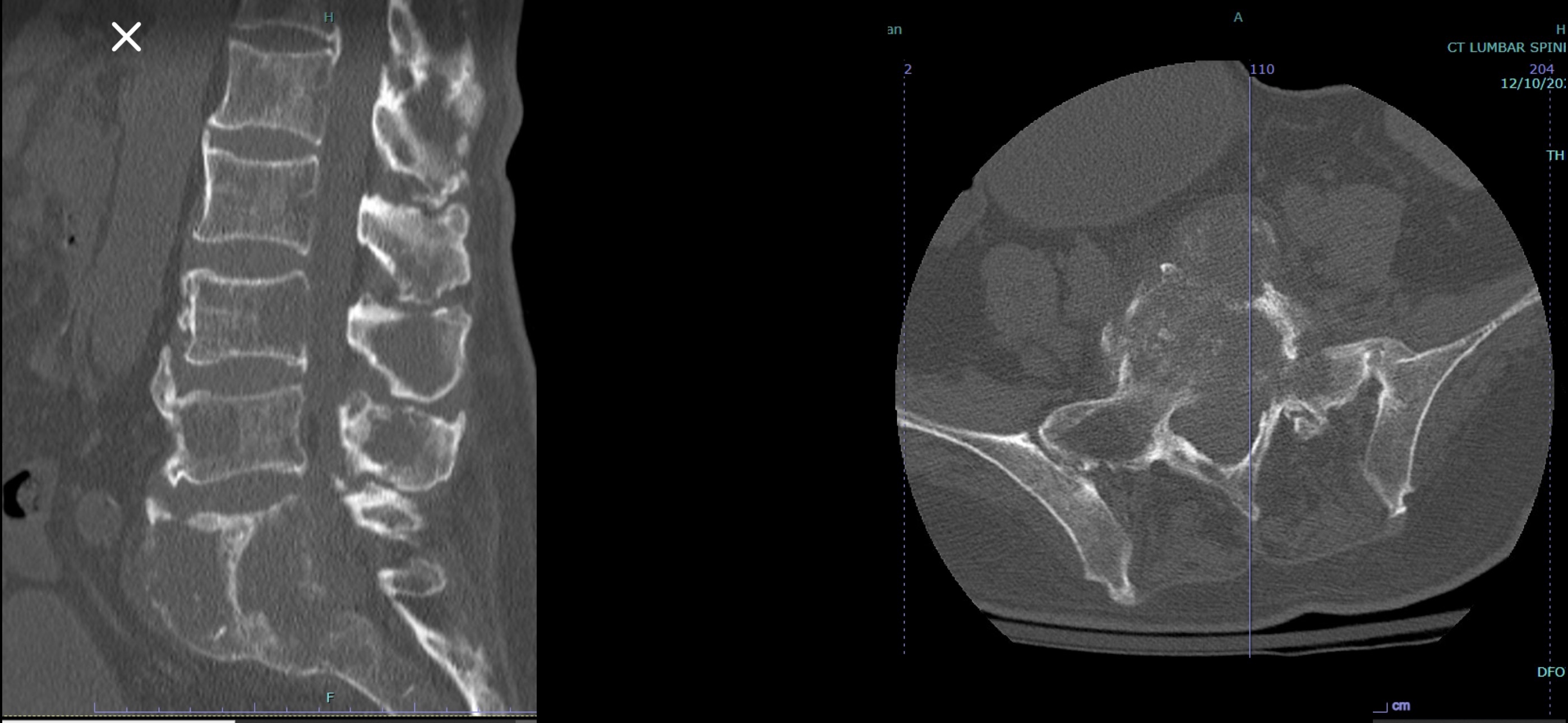
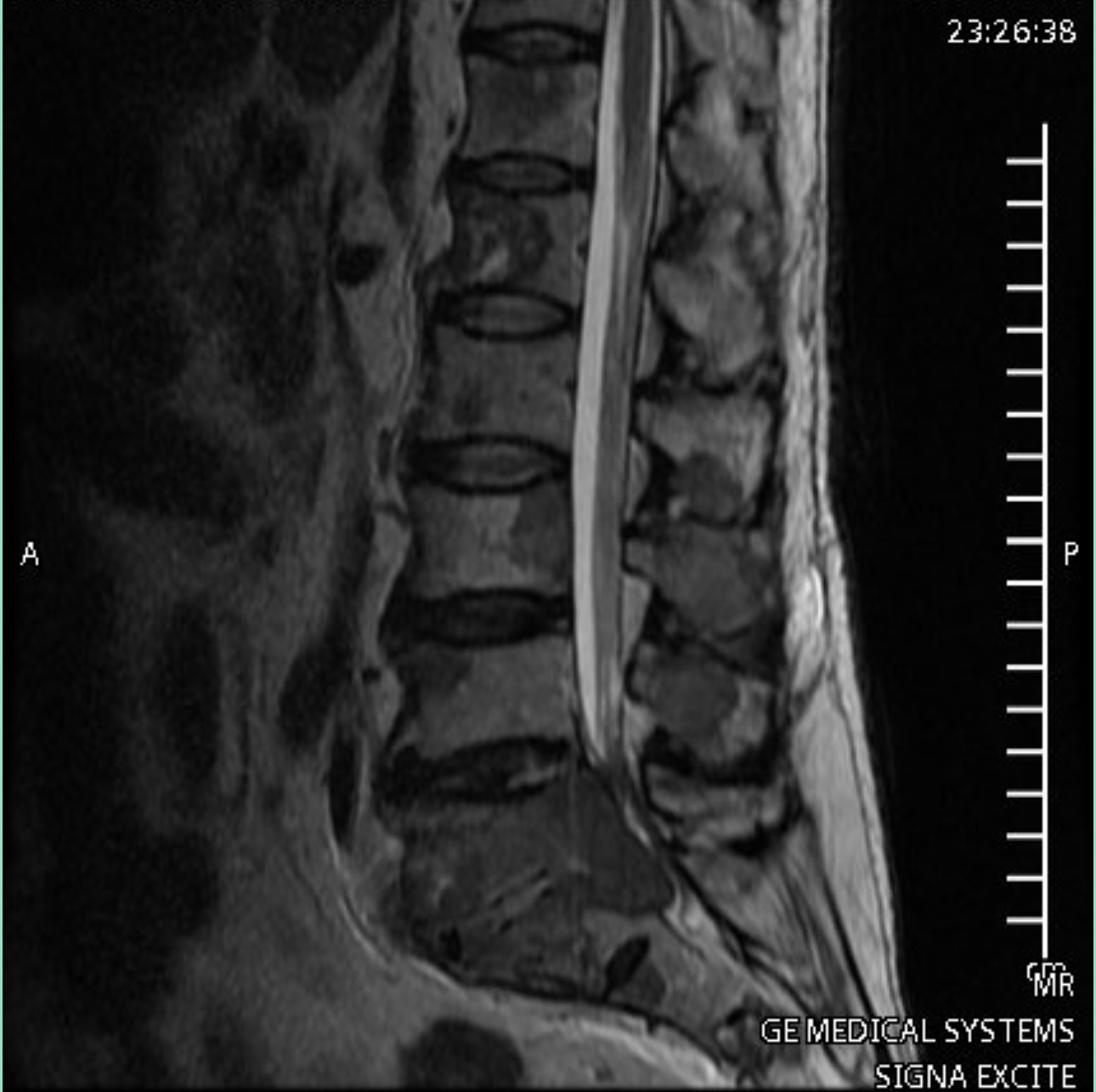
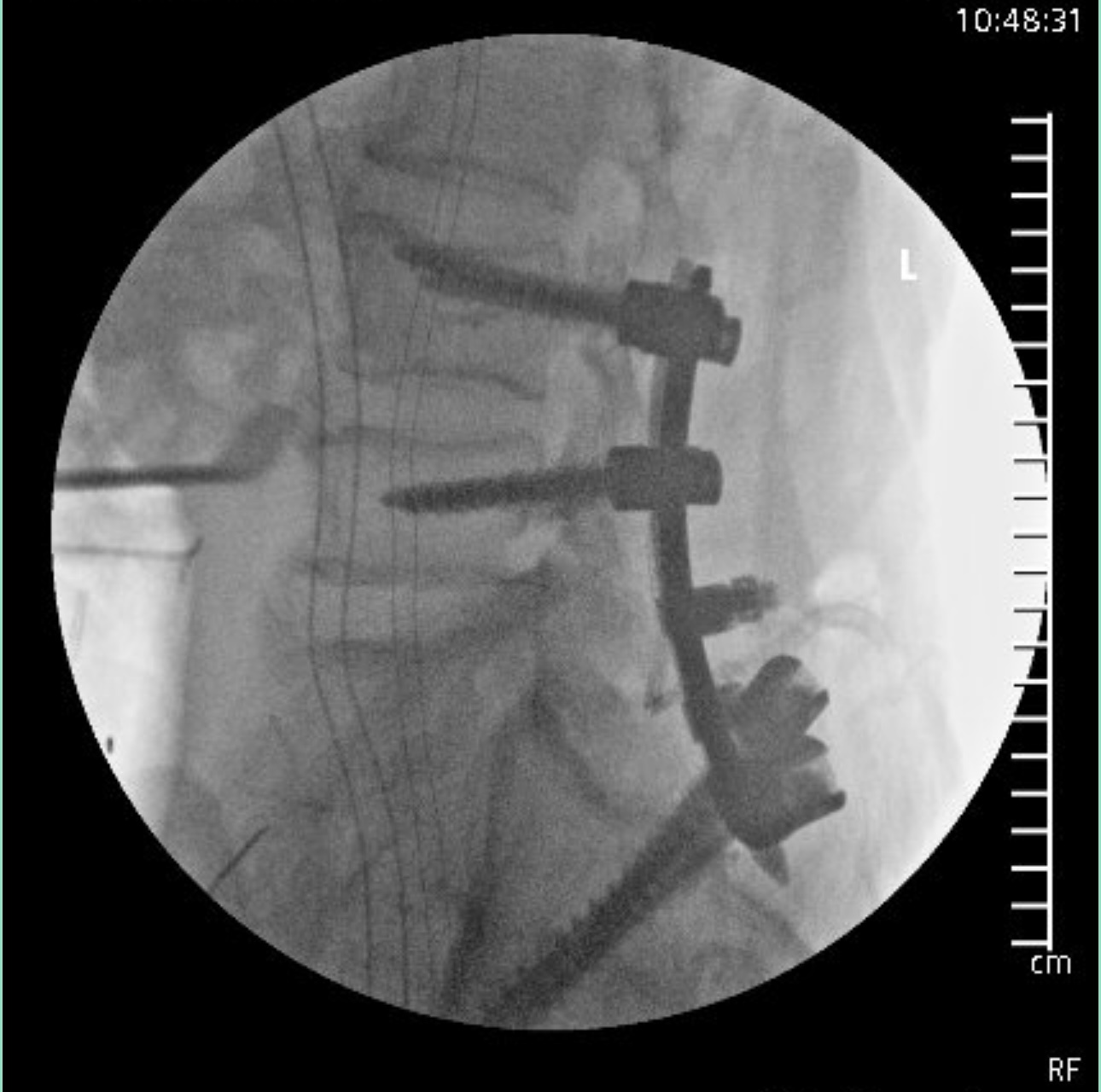
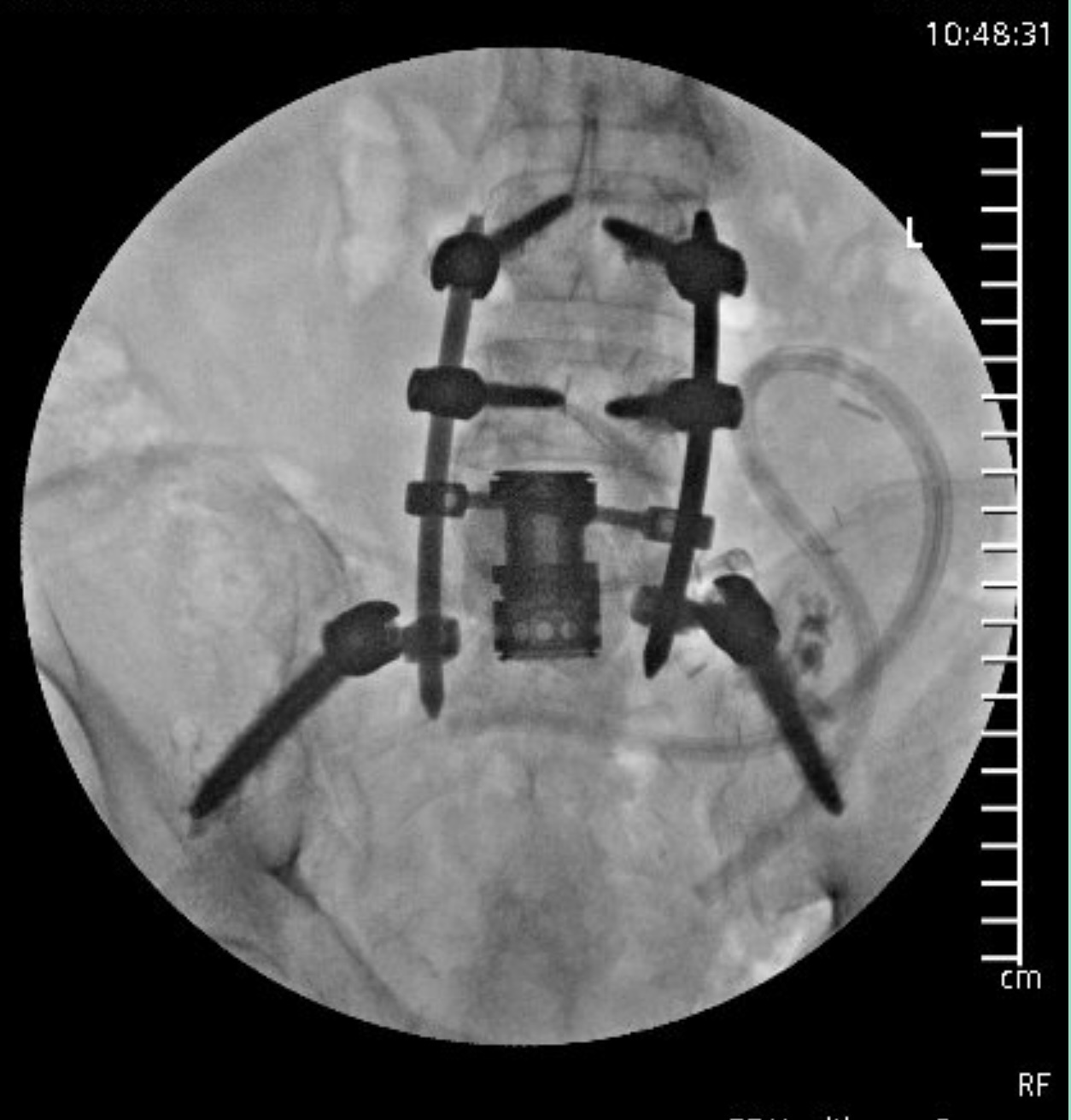
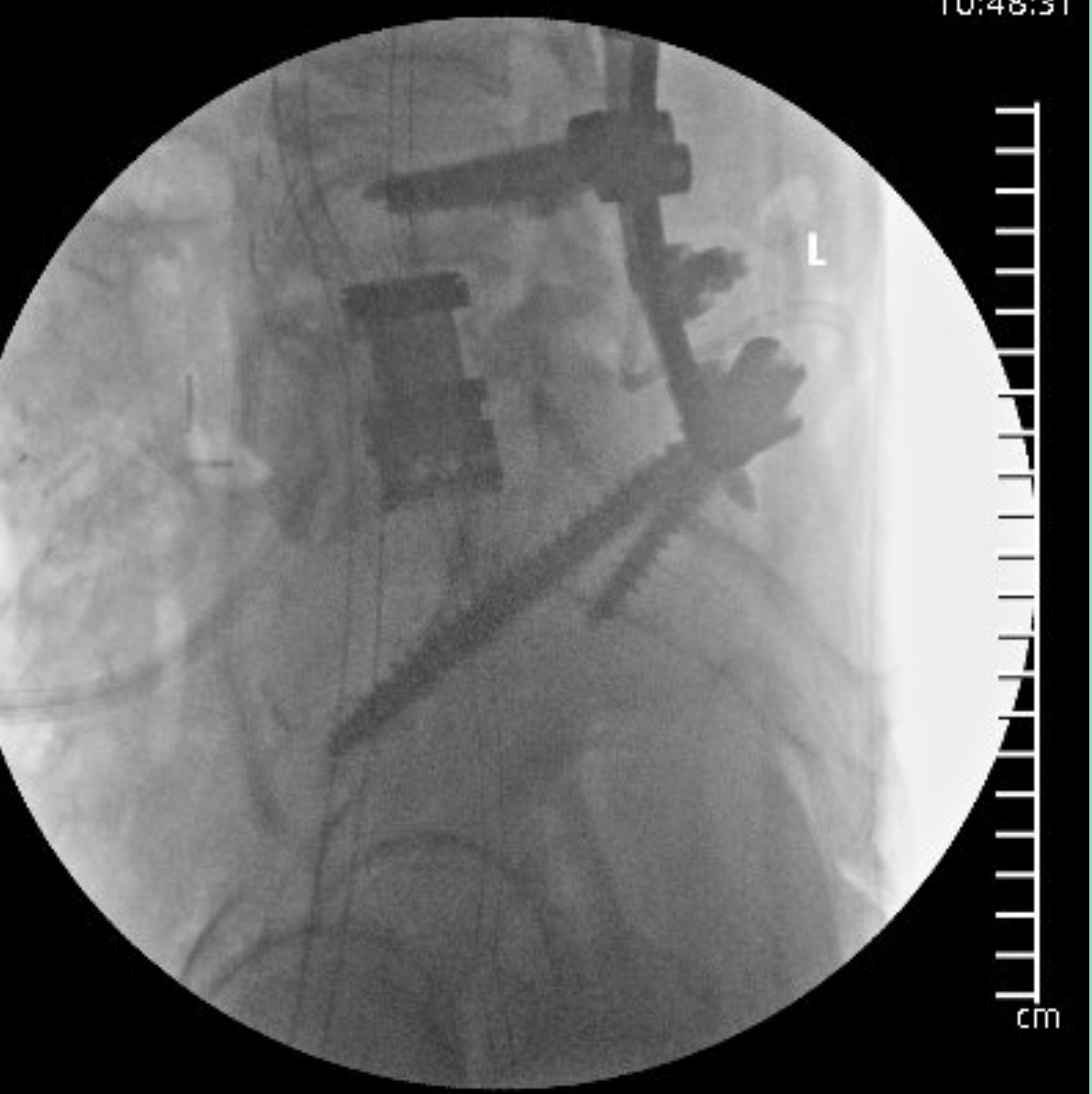
Procedure: Combined anterior and posterior approach with tumor resection, vertebral body reconstruction using bone graft, and posterior pedicle screw fixation
Technique: Minimally invasive access to achieve complete tumor removal while preserving spinal cord function and restoring sagittal alignment
Result: Complete tumor resection with restored spinal stability, decompression of neural structures, and excellent pain relief. Patient maintained neurological function with restoration of mobility and walking tolerance.
Precise removal of primary and intradural tumors using operating microscope with intraoperative neuromonitoring to protect nerve function and maximize tumor control.
After tumor resection, vertebral body is reconstructed using structural bone graft, allograft, or expandable interbody cages to restore spinal height and alignment.
Pedicle screw instrumentation provides immediate stability and long-term fusion. Minimally invasive techniques reduce operative trauma while maintaining anatomical reduction.
For select metastatic disease, percutaneous or MIS techniques reduce tumor burden with lower morbidity, pain relief, and preservation of mobility.
Comprehensive evaluation and personalized treatment plan for your spinal tumor. Dr. Venkat Ganapathy specializes in complex tumor resection and reconstruction.
Schedule ConsultationEvery spine decision should answer the same practical questions before surgery is considered.